
How Drywall Finishing Improves Home Interior Appearance
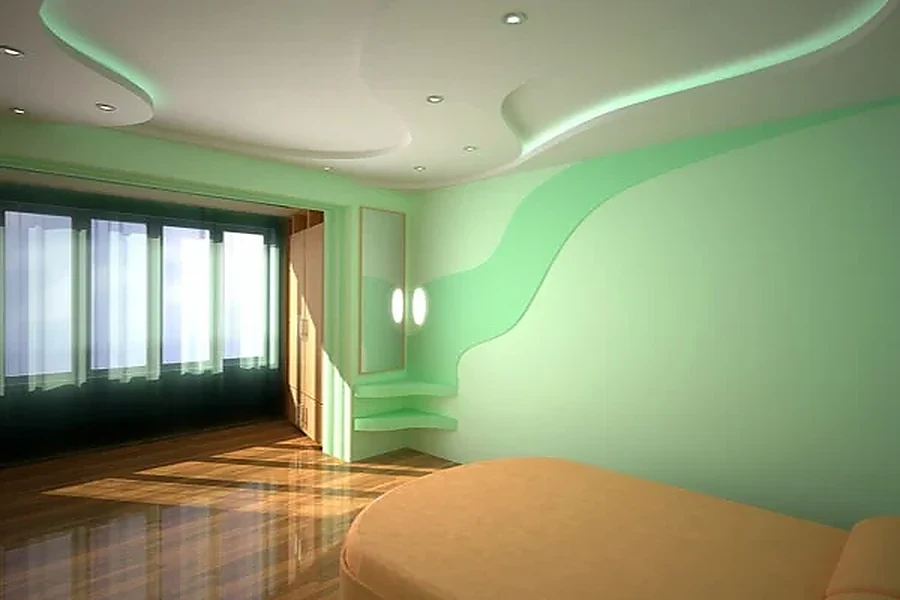
How drywall finishing improves home interior appearance comes down to one simple fact: smooth, well-finished walls make a home look clean, bright, and well cared for. When seams are hidden and surfaces are even, paint looks better and light reflects evenly. This turns plain rooms into spaces that feel polished and inviting.
What You Need Before Starting Drywall Finishing
Before starting drywall finishing, you need the right tools and a clean surface. Good prep work leads to better results. Rushing this step often causes bumps and visible seams later.
Here are the basic items needed for most drywall finishing projects:
- Joint compound
- Drywall tape
- Taping knives in different sizes
- Sanding sponge or pole sander
- Primer and paint
- Drop cloths and painter’s tape
You also need patience. Each layer of compound must dry before the next step. Skipping dry time can ruin the final look.
Step-by-Step Process for Smoother Walls
Drywall finishing follows a clear process. Each step builds on the last. Taking your time helps your walls look smooth and seamless.
- Apply drywall tape over all seams between panels.
- Spread a thin layer of joint compound over the tape.
- Let it dry fully, then sand it lightly.
- Add a second, wider coat to blend the seams.
- Sand again once dry.
- Apply a final skim coat if needed for extra smoothness.
- Prime the surface before painting.
This process hides joints, screw holes, and small dents. Once painted, the wall should look like one solid surface. That smooth finish makes colors appear richer and more even.
Common Mistakes That Hurt Interior Appearance
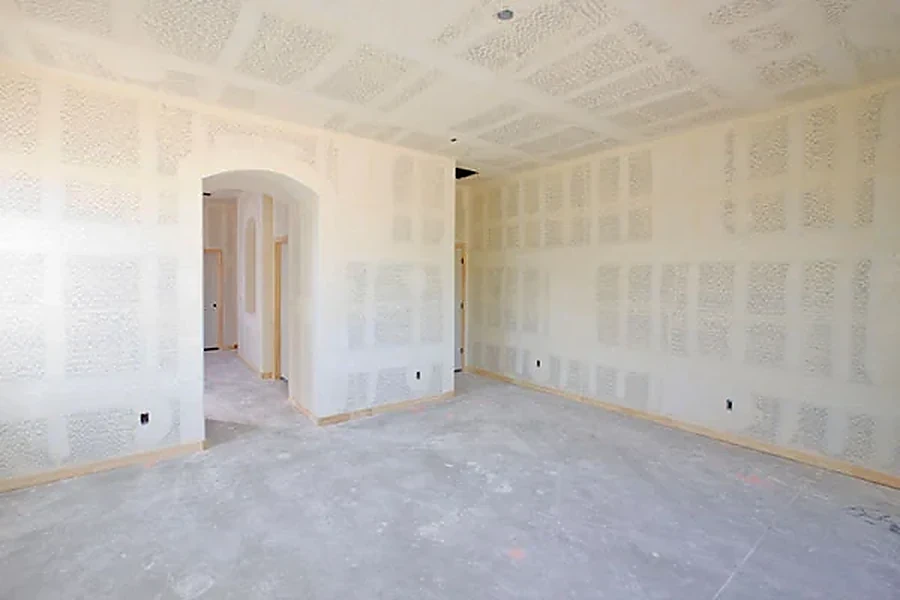
Poor drywall finishing can make even new paint look bad. Small errors often stand out once sunlight hits the wall.
Here are mistakes to avoid:
- Using too much joint compound at once
- Not sanding between coats
- Skipping primer before painting
- Leaving dust on the surface before paint
- Rushing dry time between layers
When seams are not blended wide enough, you may see lines through the paint. If sanding is uneven, walls may look wavy. These flaws catch shadows and draw attention. A smooth finish helps furniture, lighting, and decor stand out instead of wall defects.
When to Call a Professional
Small patches are often manageable for homeowners. But large areas or full-room projects require skill. Matching texture, creating smooth corners, and blending repairs into older walls takes practice.
If you notice visible seams after painting, cracking joints, or uneven surfaces across large sections, it may be time for expert help. A professional who focuses on drywall finishing and understands the broader service category keyword can correct flaws and create a consistent surface.
Homes being prepared for sale also benefit from professional results. Clean, even walls help rooms look newer. Buyers often notice wall quality right away. Sharp lines and smooth finishes can make a strong first impression.
The Lasting Impact on Your Home’s Look
Drywall finishing does more than hide seams. It affects light, color, and the overall feel of each room. Smooth walls reflect light evenly, making small rooms appear larger. They also make trim lines look sharper and ceilings look cleaner.
When done right, drywall finishing creates a solid base for design. Whether you prefer bold paint colors or soft neutrals, the final look depends on the wall surface underneath. Even high-end paint cannot hide poor finishing work.
If you are in Burlington, NC and want cleaner, smoother walls, I can help. At JIL Interior LLC, I focus on careful prep and detailed drywall finishing work that improves how your home looks and feels. Call me at (336) 677-5542 to talk about your project and how I can make your interior space look its best.