
How to Get Smooth, Clean Walls Without Costly Errors
The most common mistakes during drywall finishing include poor surface prep, using too much joint compound, rushing between coats, and skipping proper sanding. These errors lead to visible seams, cracks, and uneven walls. If you take your time, use the right tools, and follow a clear process, you can avoid many of these problems and get clean, smooth results.
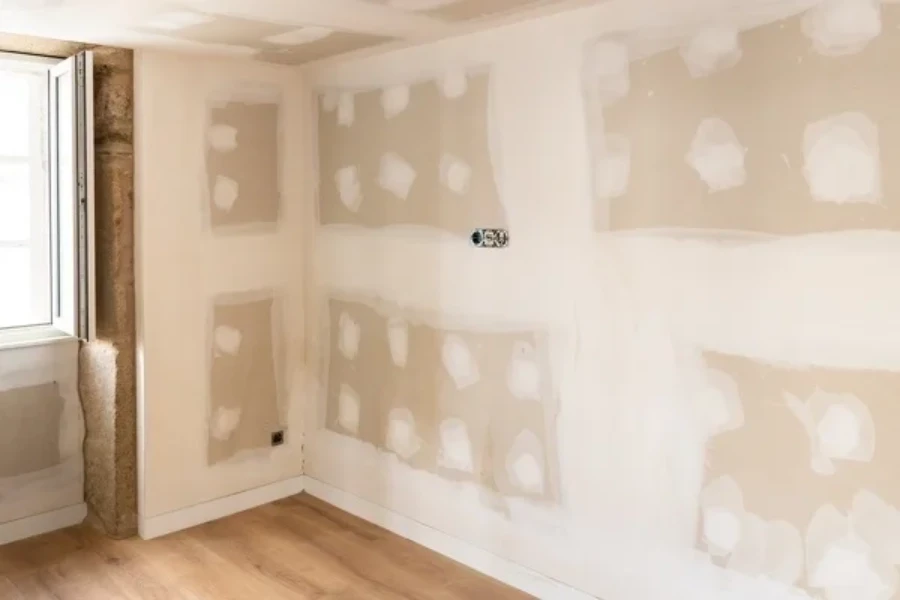
Why Prevention Matters
Drywall finishing is the step that makes walls look complete. Even if drywall sheets are hung well, a bad finishing job will stand out right away. Lumps, bubbles, and lines can show through paint. Fixing mistakes later takes more time and money than doing it right the first time.
Good finishing also helps walls last longer. Clean seams and solid corners reduce cracks and damage over time.
Early Warning Signs of Trouble
Small flaws often show up before painting. Catching them early makes repairs easier. Watch for these signs:
- Visible tape lines after the first coat dries
- Bubbles under joint tape
- Rough patches you can feel with your hand
- Cracks forming along seams
- Corner bead edges showing through compound
If you see these issues, stop and fix them before moving forward. Adding paint will not hide them.
Routine Checklist Before and During Drywall Finishing
Following a simple checklist can prevent most drywall finishing mistakes.
- Clean the surface before applying compound.
- Use fresh, well-mixed joint compound.
- Apply thin, even coats instead of thick layers.
- Let each coat dry fully before sanding or recoating.
- Sand lightly and evenly between coats.
- Use proper lighting to spot flaws early.
Many people rush the drying time. This leads to soft spots and cracks later. Patience makes a big difference.
Best Practices for Long-Term Results
Feather your edges when spreading joint compound. This means thinning the edges so they blend into the wall. Hard edges create visible ridges after paint.
Use the right knife size for each stage. A smaller knife works well for the first coat. A wider knife helps smooth later coats. This spreads compound farther and hides seams better.
Always sand with light pressure. Heavy sanding can damage the drywall paper. If that paper tears, repairs become more complex and may require drywall repair before finishing can continue.
Check your work under bright, angled light. Shadows make bumps easier to see. Fixing them early saves time later.
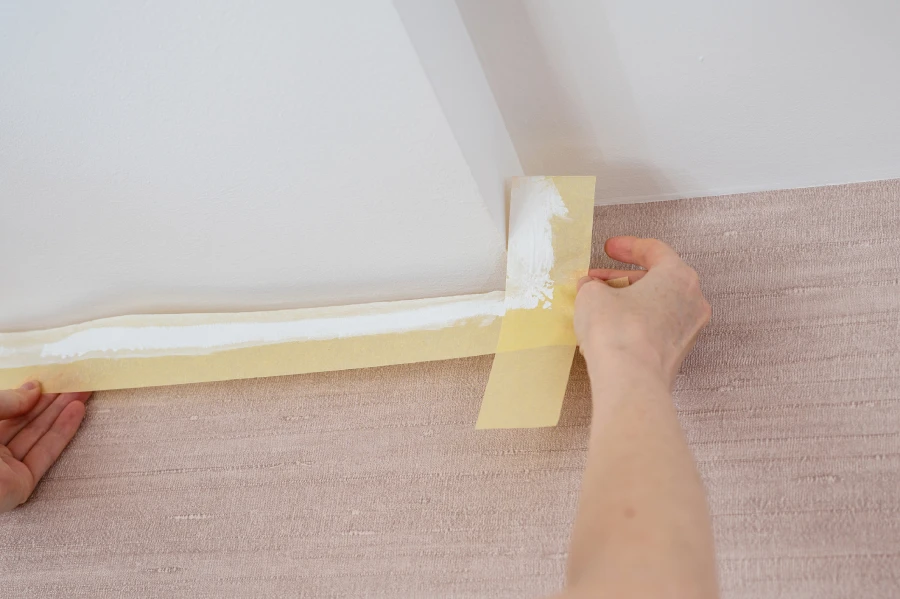
What Not to Do
Avoid these common mistakes during drywall finishing:
- Do not soak tape in water before applying it.
- Do not apply thick coats to fill gaps quickly.
- Do not skip sanding between coats.
- Do not paint over damp compound.
- Do not ignore room humidity levels.
High humidity slows drying time. If the room feels damp, use fans or a dehumidifier. Stable conditions help compound cure properly.
When to Schedule Professional Help
Some projects are harder than they look. Large ceilings, tall stairwells, and whole-home jobs require skill and steady hands. If seams keep cracking or surfaces look uneven after several attempts, it may be time for expert help.
A trained professional knows how to spot framing issues, loose panels, and hidden moisture problems. Fixing those root causes leads to smoother, longer-lasting walls.
Get Help With Smooth, Lasting Walls
If you need help with drywall finishing in Burlington, NC, I can take care of the prep, taping, and smoothing so your walls look clean and even. At JIL Interior LLC, I focus on careful work and solid results. Call me at (336) 677-5542 to talk about your project and get started.